Southern & Northern Dynasties
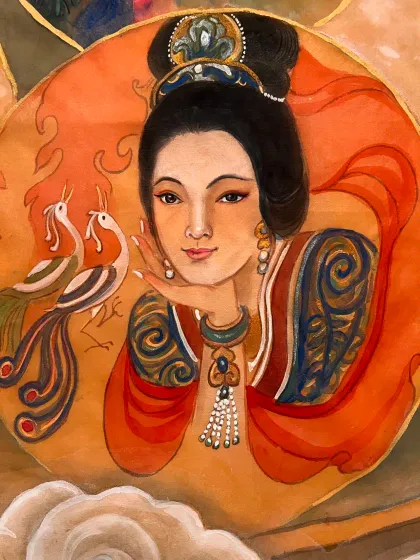
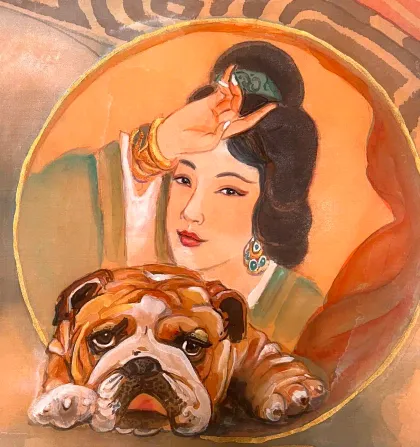
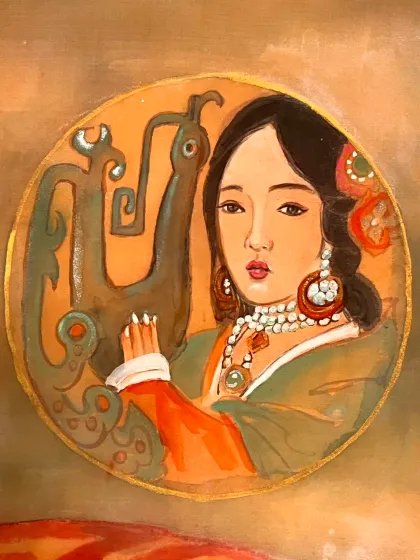
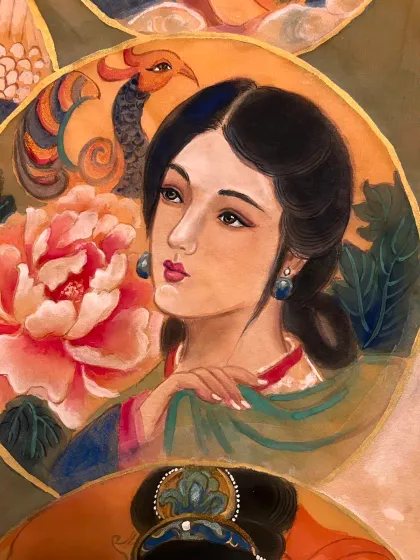
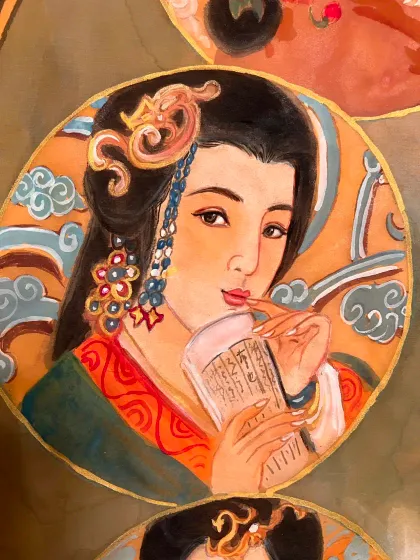
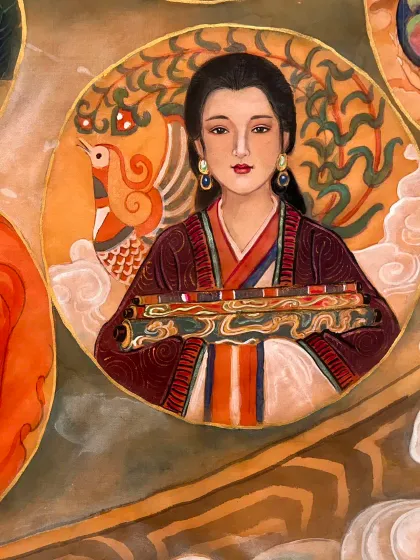
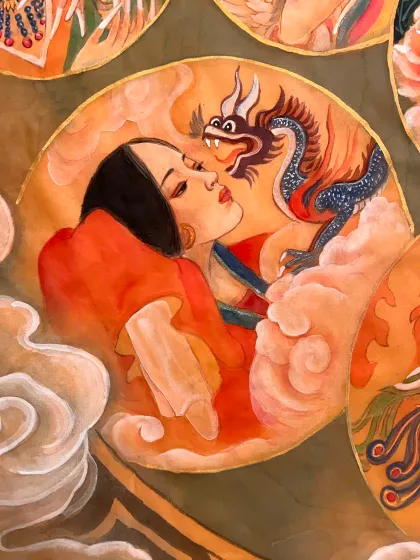
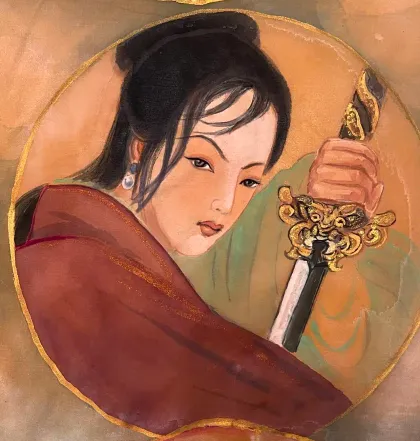
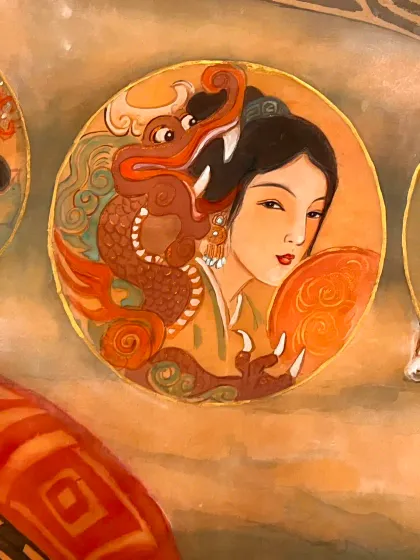
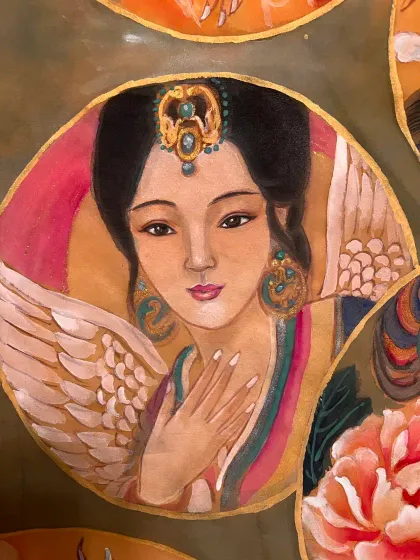
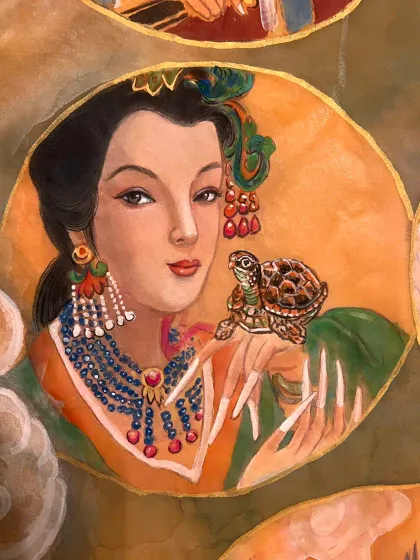
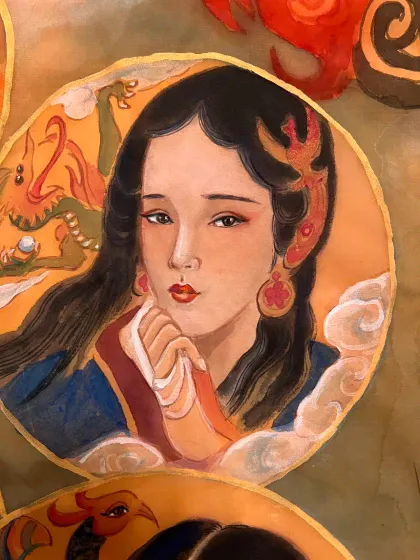
22 portrait chapters in the Chinese Empresses collection.
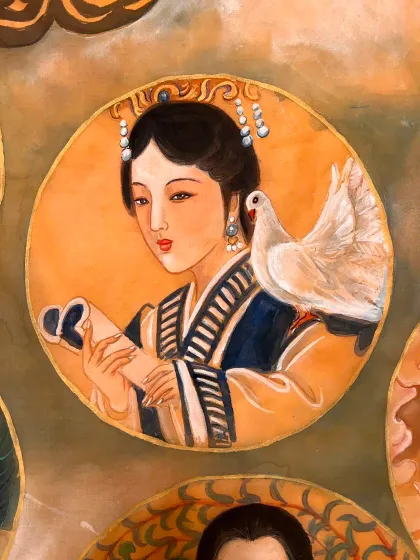
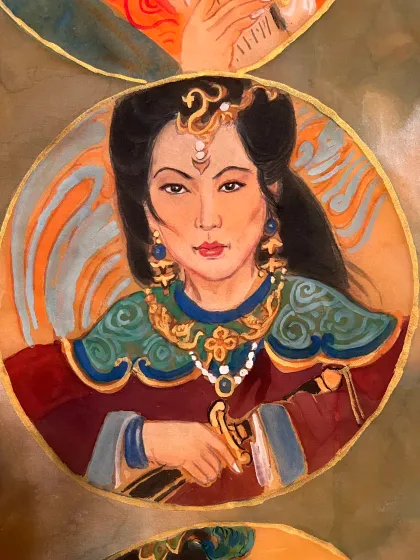
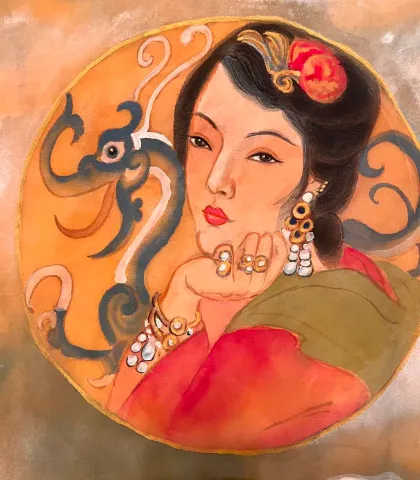
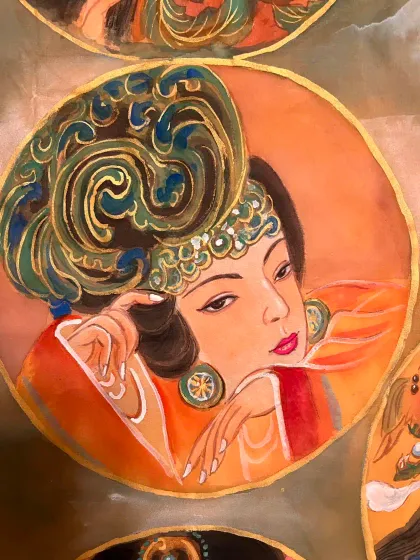
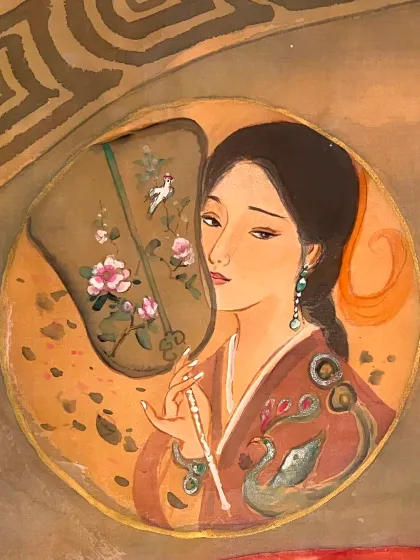
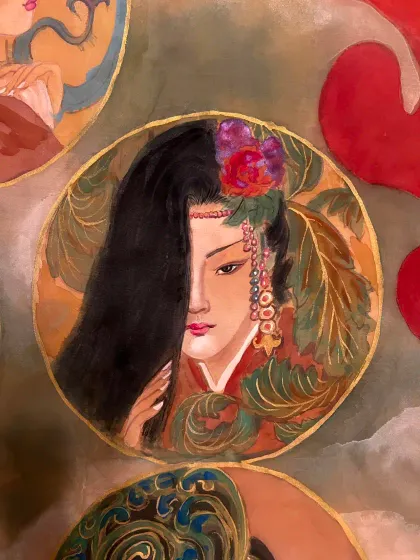
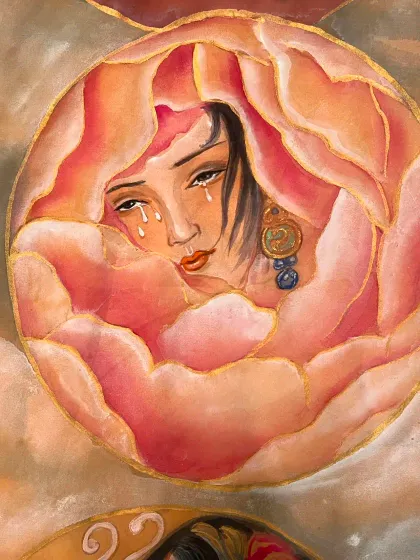
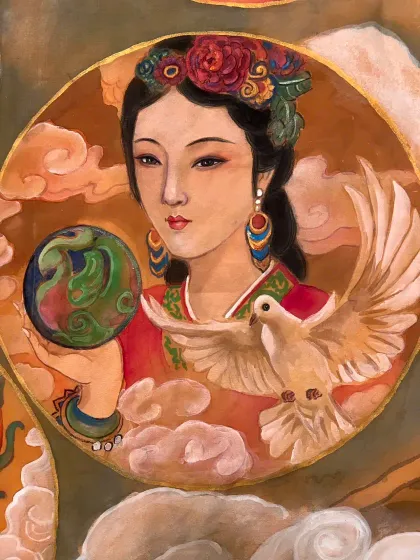
The era
Southern and Northern Dynasties Empresses
Brief Overview
The Southern and Northern Dynasties (420–589 CE) was a period of political division and cultural vibrancy in Chinese history. After the fall of the Jin dynasty, China split into two regions: the north, ruled by various non-Han Chinese dynasties, and the south, governed by Han Chinese rulers based in Jiankang (modern Nanjing). Despite the fragmentation, this era saw significant developments in art, literature, and religion, especially Buddhism.
This dynamic and often turbulent era ended when the Sui dynasty, from the north, conquered the Chen dynasty in 589, reunifying China and laying the foundation for a new golden age under the Tang.
Southern Dynasties
The Southern Dynasties began with Liu Song (420–479), founded by General Liu Yu after the Eastern Jin, aiming to stabilize the south and reclaim the north but weakened by internal strife. It was followed by Southern Qi (479–502), established by Xiao Daocheng, which saw brief stability but suffered from corruption and weak leadership. The Liang dynasty (502–557), founded by Xiao Yan, thrived culturally under Emperor Wu, especially in literature and Buddhism, but was destabilized by rebellion. The final dynasty, Chen (557–589), brought temporary order before falling to the Sui, which reunified China after long division.
Learn MoreNorthern Dynasties (Wei)
Northern Wei (386–534) was founded by the Tuoba clan of the Xianbei, a nomadic group from the northern steppes. The dynasty is particularly notable for its efforts to sinicize its ruling elite—adopting Han Chinese customs, language, dress, and administrative systems. This transformation helped integrate northern nomads with Chinese traditions but also triggered internal tensions. Northern Wei was a major patron of Buddhism, commissioning the monumental cave temples at Yungang and Longmen. Eventually, the dynasty splintered due to internal dissent, giving rise to Eastern Wei and Western Wei, and setting the stage for the later Northern Qi and Northern Zhou.
Learn MoreNorthern Dynasties (Qi, Zhou)
Northern Qi (550–577) arose from the remnants of Eastern Wei and was ruled by the Gao family. Initially strong, Northern Qi expanded its territory and invested in infrastructure and the arts, but over time, the dynasty became known for corruption, court decadence, and ineffective leadership. Its decline was swift, and it was eventually conquered by its western rival, Northern Zhou. Northern Zhou (557–581) replaced Western Wei and was governed by the Yuwen family. The dynasty emphasized strong central control and military efficiency. It succeeded in defeating Northern Qi, extending its control across much of northern China. Northern Zhou laid the groundwork for reunification under the Sui dynasty when Yang Jian, a powerful general and regent, seized the throne and declared the beginning of the Sui in 581.
Learn MoreBring the Southern & Northern Dynasties era home
Canvas prints, scarves, puzzles and more — from $14.
200+ empresses in a 188-page full-color volume.
A one-of-a-kind portrait on silk, from $5,000.
Questions? Write to [email protected]